


Still Water vs Sparkling Water: 2026 Guide | Zip Water
Health | 04-09-26

Still water is plain, non-carbonated drinking water. It has no bubbles or fizzy mouthfeel. When a restaurant asks "still or sparkling?", still water is the flat option.
How does it compare to sparkling? Sparkling water is simply still water that’s been carbonated to give it fizz (either naturally from springs or added). That means discussion of still water vs sparkling water isn’t always clear-cut.
Why? Because both hydrate your body equally. Still water is clean and neutral, while sparkling or carbonated water is crisp and bubbly. Neither is better or worse for you overall.
What really matters is consistency. The best choice is the one you’ll drink more of. And for many Australians, that means enjoying both.
In this article, we’ll help you answer the question: still water vs carbonated water – which is better for you?
We’ll cover:
- Still vs carbonated: what’s the difference?
- Hydration and health
- Taste
- Digestion
- Teeth and acidity
- Minerals and sodium
- The Australian context
- Still water vs sparkling water: comparison at a glance
- When to choose each option
- Why filtration matters
- How to enjoy both at home
What’s the real difference between still water and sparkling?
At its simplest, still water is just that – plain, non-carbonated drinking water (not to be confused with stagnant or standing water, which refers to untreated water left in the environment – a completely different thing).
Sparkling water is still water that’s been carbonated, either naturally at a mineral spring or by adding carbon dioxide. It’s what gives you that crisp, effervescent mouthfeel.
But here’s where it can get confusing. Sparkling, soda, seltzer, mineral water – people use the terms interchangeably, yet they’re not the same. The differences come down to three things: where the water comes from, how it's carbonated, and what's been added.
- Still water – plain, non-carbonated drinking water. Sourced from taps, springs, or purified supplies. No carbonation or added minerals.
- Sparkling water – still water with carbon dioxide added under pressure. No added minerals or salts, just water and bubbles. Clean, neutral fizz.
- Mineral water – sourced from underground springs. Contains naturally occurring minerals like calcium and magnesium. May be still or naturally sparkling because the carbonation happens at the source (rather than added in later).
- Soda water (club soda) – starts as regular water then gets carbonated, with sodium salts added (like sodium bicarbonate or potassium sulfate) to sharpen the flavour. This is the one with added sodium.
- Seltzer – a US term for plain carbonated water, typically without added minerals. It’s the same as plain sparkling water.
So when you're weighing up still water vs sparkling water, know that both hydrate equally, but your experience differs: one is neutral and smooth, the other lively and refreshing. Just don't mix them up with soda water.
Hydration and health: which hydrates better?
From a hydration perspective, there’s no contest. Still and sparkling water are equally effective. Research confirms that drinking water, carbonated or not, supports hydration in the same way.
The real difference comes down to preference. If bubbles make you sip more often, sparkling is a win. If you prefer smooth and neutral, stick with still. Just note that soda water and some flavoured sparkling waters can contain added sodium or acids, which aren’t ideal for all-day drinking.
In short: choose the one you’ll drink more of, and you’ll stay well hydrated.
Taste, enjoyment and how much you’ll drink
When it comes to water, taste isn’t about flavour so much as feel. Still water is easy to sip without thinking. Sparkling water is crisp and lively, with bubbles that make every glass feel a little more special.
That difference matters. Enjoyment drives habit. If you find plain water boring, sparkling can keep things interesting and even help you cut back on soft drinks. If you like a more subtle experience, still water is the steady choice you’ll turn to all day.
In practice, most Australians benefit from having both. Still water keeps you consistently hydrated, while sparkling adds variety and makes social occasions feel more considered. The more you enjoy your water, the more of it you’ll drink. And that’s the real goal.
Digestion and sensitivity
For most people, sparkling water is easy to enjoy. The bubbles can even help digestion – sparkling water could help you feel lighter after a rich meal. According to UChicago Medicine, carbonated water may ease mild digestive discomfort and support regularity. And the experts at WebMD agree. Sparkling water can be a small, fizzy assist for your gut.
But carbonation isn’t perfect for everyone. If you live with reflux, irritable bowel syndrome or simply have a sensitive stomach, the fizz can sometimes cause bloating or discomfort. Still water is the gentler option in those cases.
The takeaway? Listen to your body. Sparkling can be refreshing and supportive for some, while still water is the safe baseline for everyone. Having both on hand lets you choose what feels best in the moment.
Teeth and acidity
This question comes up a lot in dental clinics. According to the Australian Dental Association, even sugar-free drinks—including plain sparkling water—can contribute to enamel erosion over time. That's because carbonation makes the water slightly acidic.
But not all acidic drinks are equally harmful. The key is understanding where sparkling water sits on the pH scale. Because carbon dioxide forms a weak carbonic acid, sparkling water usually sits at a pH of around 4. That makes it mildly acidic, but far less so than orange juice (pH ~3.3) or cola (pH ~2.5). The risk is real, but it's significantly lower than with sugary drinks.
Colgate's dental experts agree: the key isn't just what you drink, but how you drink it.
The good news? You can reduce the impact by enjoying sparkling water with meals, avoiding frequent sipping throughout the day, rinsing with still water afterwards, and waiting at least 30 minutes before brushing.
So, no, plain sparkling water is not bad for your teeth. It's generally considered safe, especially when consumed mindfully.
Learn more: Is sparkling water bad for your teeth? Or go deeper with our guide to sparkling water and acidity.
Minerals, sodium and labels
Not all sparkling waters are the same, you should always check the label.
-
Mineral water can add a subtle taste and a small nutritional boost from naturally occurring calcium or magnesium, though most Australians already get enough of these through food. The minerals aren't added, they're picked up from the underground source.
-
Soda water is where sodium can creep in. Because it's made with added salts, drinking it throughout the day means your sodium intake can add up. Worth knowing if you're on a low-sodium diet or watching your blood pressure.
-
Flavoured sparkling waters are another one to check. They often include citric acid or preservatives that lower pH further, making them more acidic than plain varieties.
Plain sparkling water, by contrast, is usually just water and bubbles with no added calories, sugar or sodium. And when it's made from filtered water, you're starting with the cleanest base: impurities removed, beneficial minerals left behind.
So if you enjoy sparkling, choose plain or lightly flavoured, check sodium levels on the label, and know that filtration gives you the best foundation.
The Australian context
Australia’s drinking water is among the safest in the world, regulated by the Australian Drinking Water Guidelines. But “safe” on paper doesn’t always mean perfect in the glass.
The taste and feel of water can change depending on where you live. In Sydney or Brisbane, chlorine can leave a noticeable odour. In Adelaide, reliance on the River Murray sometimes means harder, mineral-heavy water. Smaller towns sometimes face cloudiness or ageing pipes. And in some regions near military bases or fire training grounds, PFAS contamination has been detected in groundwater.
What does that mean for still vs sparkling water? Simply that both are only as good as the base water they come from. Whether you enjoy a neutral still or a crisp sparkling, starting with filtered water is the best way to enjoy more of it.
Still water vs sparkling water (at-a-glance comparison)
When you put still and sparkling side by side, the differences are less about health and more about how you enjoy them. Here’s a quick look:
|
Still water |
Sparkling water |
|
|
Hydration |
Hydrates effectively |
Hydrates just as well |
|
Taste |
Smooth, neutral |
Crisp, lively, feels like a treat |
|
Dental impact |
Neutral, enamel-friendly |
Mildly acidic; safe in moderation |
|
Digestion/comfort |
Gentle on sensitive stomachs |
May aid digestion, but can cause bloating for some |
|
Minerals & additives |
None unless naturally occurring |
Plain: just water and fizz; mineral waters add calcium/magnesium; soda waters may add sodium |
|
Sustainability |
Best when filtered at home |
Best when made from filtered water on tap; avoids bottled waste |
|
Lifestyle fit |
Everyday hydration baseline |
Great with meals, social occasions, or as a soft drink swap |
When to choose still vs sparkling
There’s no hard rule here – the better choice depends on the moment. Here are a few everyday situations where one may suit you more than the other:
-
Workday hydration: Still water is the steady option you can sip all day. Sparkling makes a refreshing mid-afternoon change.
-
Sensitive enamel or reflux: Still is the gentler pick. If you love bubbles, enjoy sparkling with meals, then rinse with water.
-
After exercise: Chilled still water is best for quick rehydration. Sparkling can be a satisfying follow-up once you’ve cooled down.
-
Entertaining at home: Sparkling shines here – crisp, celebratory, and a healthier swap for sugary soft drinks.
-
Cutting back on alcohol or soft drink: Sparkling offers the fizz and flavour hit without the sugar or hangover.
Why filtration matters for both
Whether you prefer still or sparkling, the quality of your base water makes all the difference.
Filtration removes the things carbonation can’t touch – like chlorine taste, sediments, and contaminants such as microplastics, asbestos fibres, heavy metals and PFAS. That means your still water tastes smoother, and your sparkling water feels cleaner and crisper.
It also ensures consistency. Tap water in Australia meets strict safety standards, but the experience can vary depending on where you live. Filtration bridges that gap, giving you the same fresh, pure foundation every time.
So while the choice between still and sparkling comes down to taste and occasion, filtration is the smart upgrade that makes both better.
How to enjoy both at home (the Zip way)
Why choose between still and sparkling when you can have both on tap?
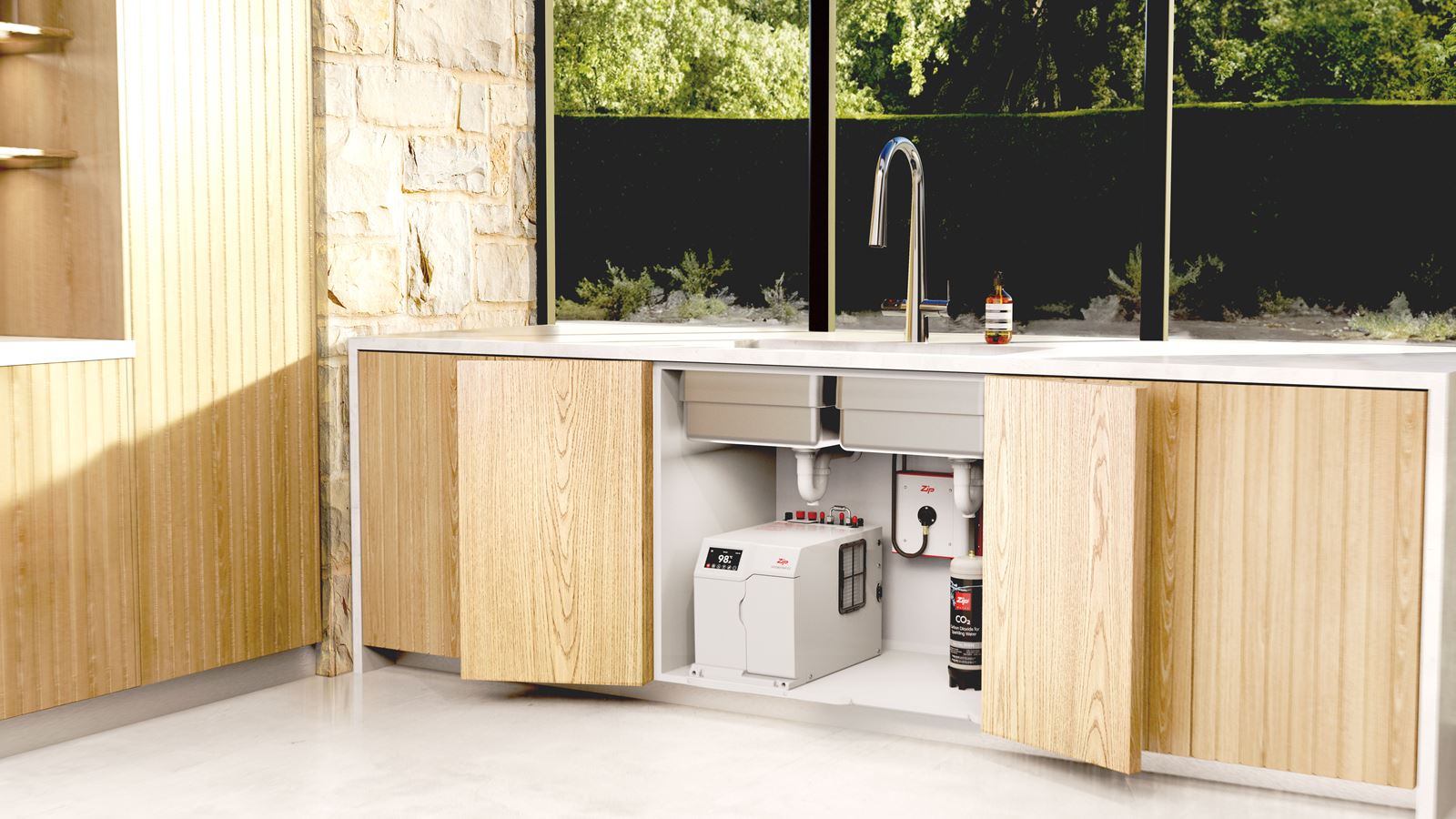
With a Zip HydroTap, you get filtered still, sparkling, and even boiling water instantly. The MicroPurity filtration system removes chlorine, lead, asbestos fibres, microplastics and up to 99.4% of total PFAS* so your water tastes better and feels fresher (no matter the style).
And what about the carbonation itself? Carbon dioxide is a permitted food additive (INS No. 290) under the Australia New Zealand Food Standards Code.
The CO₂ used in a Zip HydroTap is beverage-grade, meeting the same food-safety standards as any commercially bottled sparkling water – a minimum purity of 99.9%.
It’s also about ease. Chilled still water after a run? Done. Making a cuppa? Use boiling water from your tap. Hosting friends and fancy bubbles? Sparkling pours straight from the tap, perfectly carbonated every time. All without kettles, bottles or clutter on your bench. Water becomes simpler, more sustainable, and a little more special – every time you turn on the tap.
Discover our sparkling water taps and chilled water taps, or find some help deciding with our HydroTap selector tool. You can also browse replacement filters and CO₂ or learn more about the health benefits of filtered water.
And if you still have questions, learn more about whether sparkling water is good for you or how to filter tap water. For more guides like this one, visit our news and articles hub.
* Zip MicroPurity filters sizes 1 and 1.5 (93701 and 93702) are certified to NSF/ANSI Standard 53 to reduce 99.4% of Total PFAS (average reduction).