


8 surprising plastic waste facts (and how to reduce plastic pollution)
Health | 16-03-26

With increasing amounts of plastic waste found in the environment every year, it's more important than ever to understand the role that individuals and businesses can play in reducing this pollution.
It goes without saying that single-use plastic is damaging to the environment, but how much do you know about the problems that single-use plastic waste can cause? And, more importantly, what can we do to reduce this waste?
Read on as we uncover the key facts about plastic pollution, provide tips and tricks for reducing plastic use, and share the best ways to dispose of plastic products.
What is plastic waste?
Simply put, plastic waste is any plastic that has been discarded. It includes plastic packaging, plastic bottles and containers, and plastic bags, but also includes things you might not even think about. Small components from machinery, and labels on food packaging, as well as microplastics that are shed from clothing when it is washed all contribute to plastic pollution.
This waste is a growing problem. Due to its relatively low production cost, versatility, and useful material properties, the amount of plastic produced per year has grown exponentially since the 1970s, and our output of plastic production continues to climb.
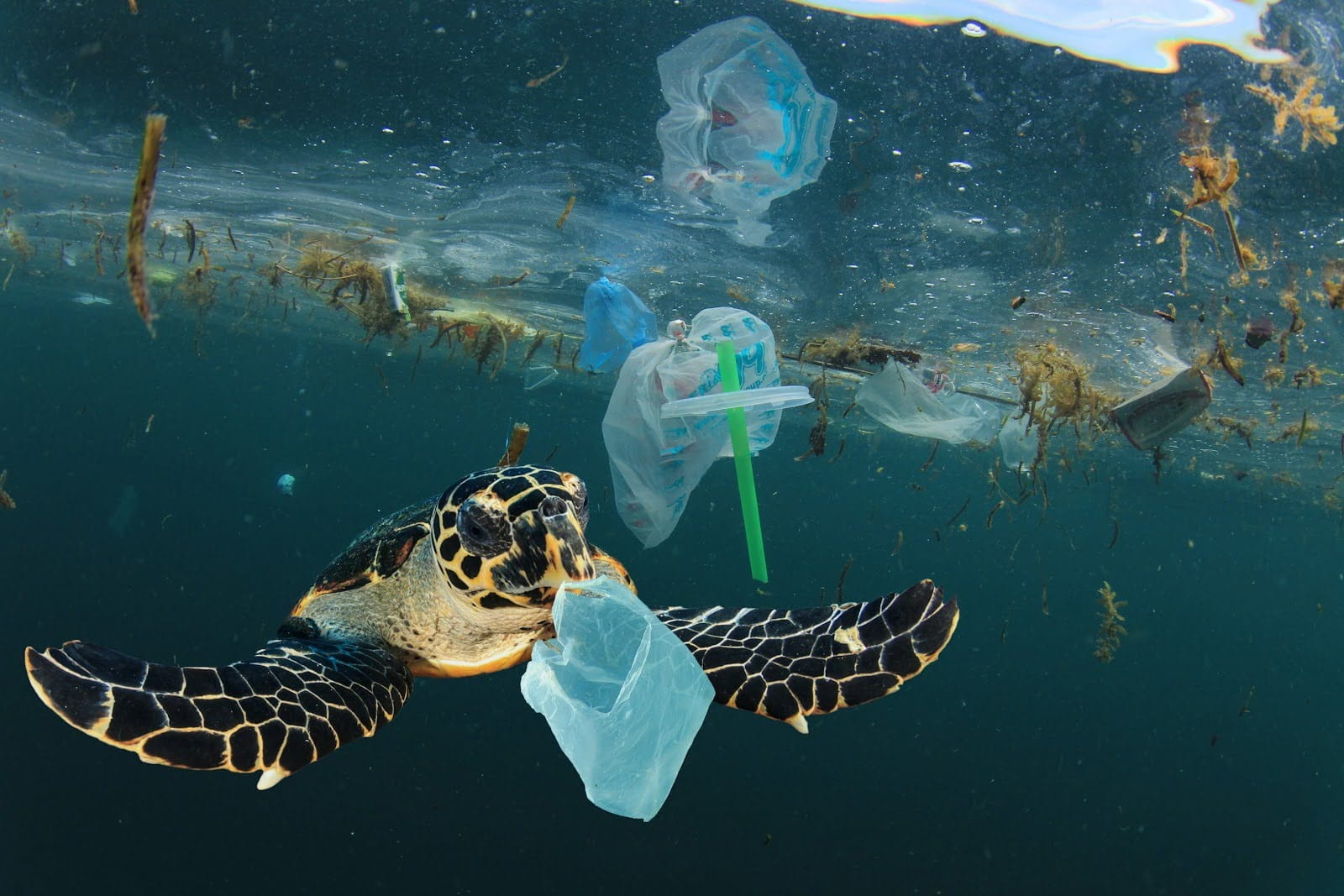
This waste often ends up in the ocean, where it enters the food chain, and damages marine life. By eating plastic, animals can die when it becomes stuck in their digestive systems. A plastic bag, for example, can look like a jellyfish, or other food, and a turtle may then eat it. A study by the WWF found that 52% of sea turtles around the world have eaten plastic waste.
But just how much plastic waste is created? And why does so much end up in the ocean? Read on as we uncover the facts about plastic pollution.
The plastic waste facts and statistics you probably didn't know
It's no secret that plastic pollution is a problem. But how much do you really know about where plastic waste ends up?
1. There are an estimated 171 trillion plastic pieces in our oceans
Scientists estimate there are around 171 trillion plastic particles currently floating in the world’s oceans — a dramatic increase from around 16 trillion in 2005. A 2023 study published in PLOS ONE found plastic pollution has risen sharply since 2005, with levels accelerating in recent years.
Without major global intervention, research from The Pew Charitable Trusts suggests the amount of plastic entering the ocean could nearly triple by 2040.
2. Paint fragments are one of the biggest contributors to microplastics found in the ocean
In 2022, synthetic paint fragments from sandblasting and shedding were found to be one of the biggest contributors to the growing problem of microplastics found in the ocean. At the time the study was published, it was estimated that 2.9 million tonnes of plastic pollution from paint were entering the ocean environment every year.
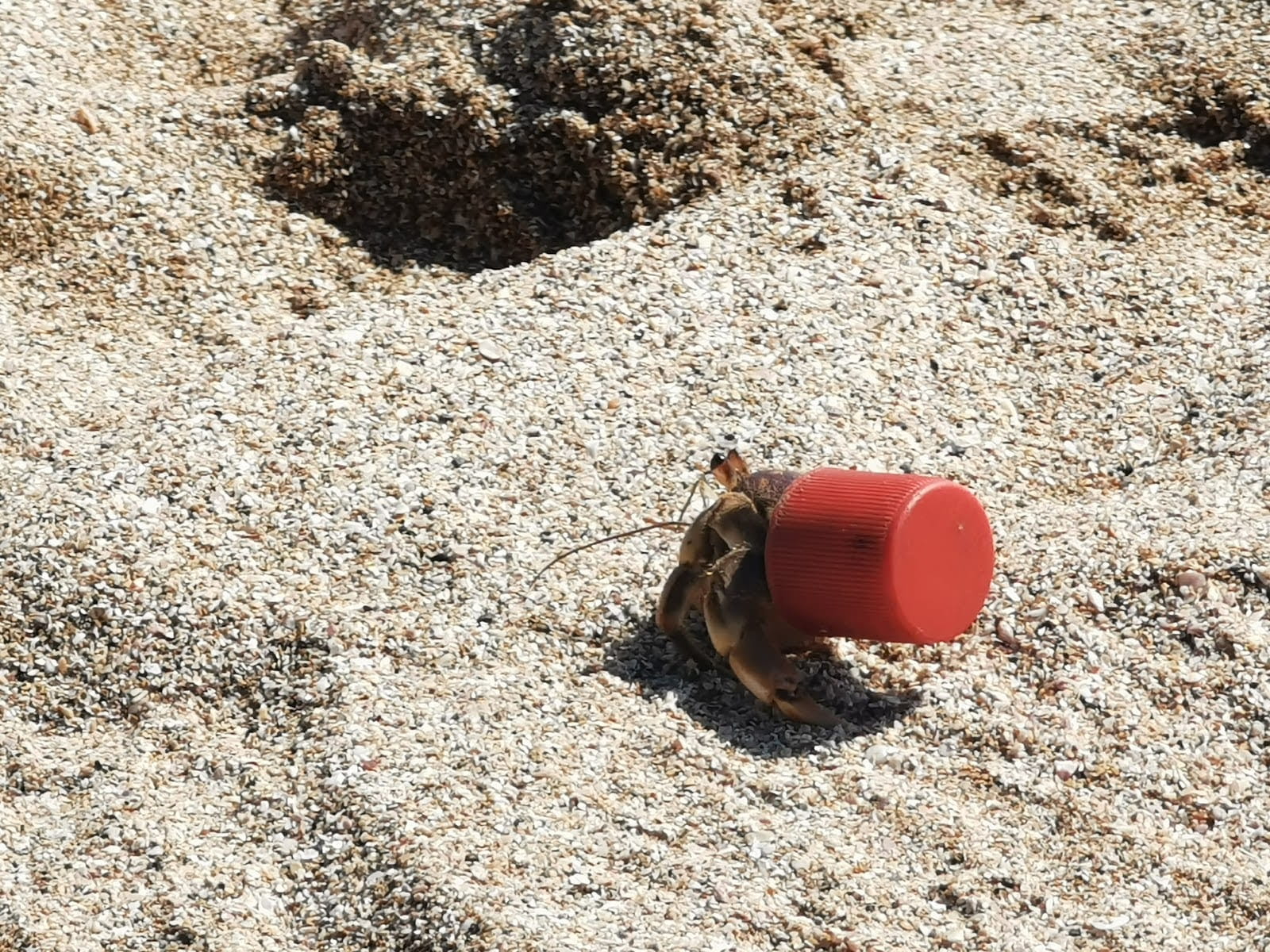
3. Hermit crabs have started wearing discarded plastic as shells
A recent study found that more than half of hermit crab species have started to 'wear' plastic waste as armour, instead of natural snail shells. It appears that for these crabs, it's easier to source plastic, or other discarded items, compared with the naturally occurring shells usually associated with these animals.
4. Microplastics have been found everywhere in the natural environment
We know that plastics (especially microplastics) are a threat to both the environment and human health, but did you know it has been found just about as far from human civilisation as it’s possible to get – at the bottom of the Mariana Trench?
ScienceDirect found microplastics have been detected in marine ecosystems, rivers and drinking water. And it goes further – a 2024 study found microplastics present in nearly every tap water sample tested globally, including those from Australia’s water supplies. If that has you concerned, you can learn more about using water filters to remove microplastics.
5. Ghost fishing equipment contributes largely to plastic pollution in the sea
Ghost fishing equipment accounts for over 10% of plastic pollution in the sea. Ghost fishing equipment is a term for any discarded, lost, or abandoned fishing equipment. These pieces of plastic debris are incredibly dangerous for wildlife, capturing animals underwater as they become entangled.
6. Single-use plastics are being phased out across Australia
While disposable plastic products are still widely used, Australia has taken significant steps to reduce them. Every state and territory has now introduced bans on a range of single-use plastic items.
Depending on where you live, these bans now cover lightweight plastic shopping bags, straws, cutlery, drink stirrers, plastic-stemmed cotton buds, expanded polystyrene food containers, and other hard-to-recycle takeaway items.
These changes are part of a broader national effort to reduce plastic waste under Australia’s National Plastics Plan and it’s a clear sign that attitudes are changing. But legislation is only one part of the solution. Everyday choices (like switching from bottled water to filtered tap water) can make just as much impact over time.
7. Plastic bottles are the second most common ocean pollutant, and they're bad for our health, too
According to research by the BBC, plastic bottles are not only bad for the environment, but also contain contaminants, including microplastics. There are many health problems linked with microplastics, and we still do not know the full scale of the risks associated with them.
In fact, the same research found that in many parts of the world, it’s safer to drink tap water than bottled water. In Australia, tap water is treated to one of the highest standards in the world, making it very safe to drink.
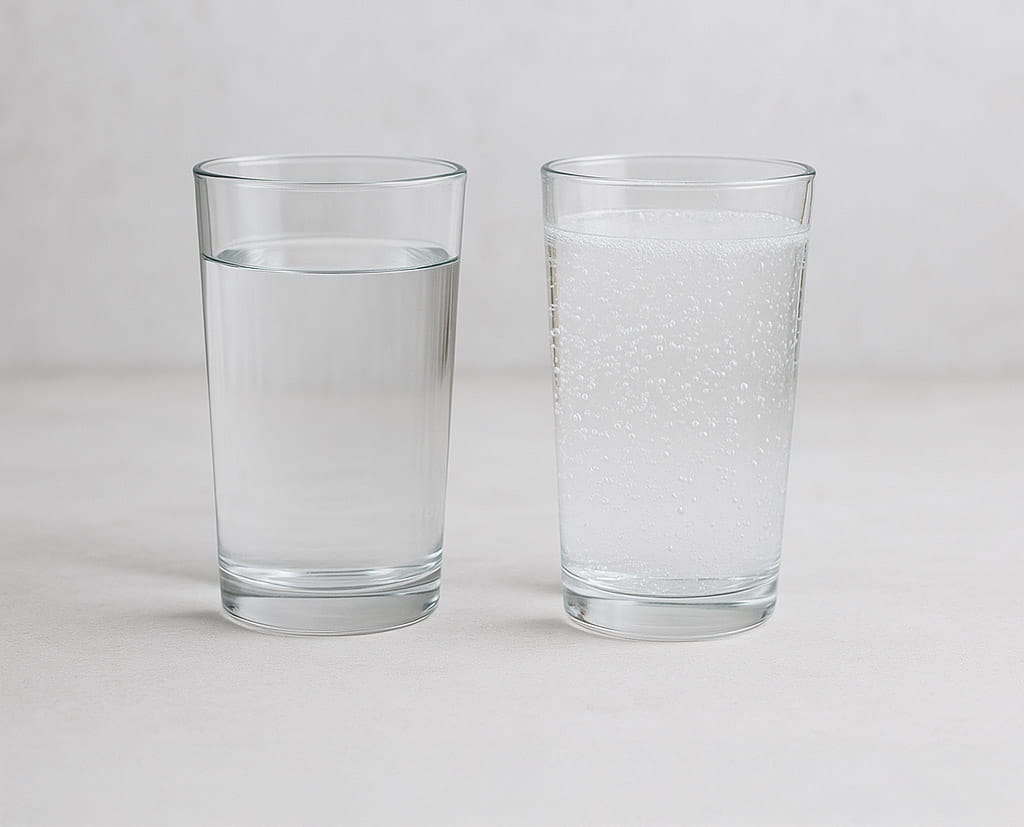
That being said, many people still don't enjoy the taste of tap water, even though it is safe to drink. And here at Zip, we understand how important taste is for keeping up hydration levels. Our HydroTap range delivers filtered boiling, chilled, and sparkling water instantly in workplaces around the world, without the need for plastic water bottles.
8. Many Australian are still unsure what can and can’t be recycled
Recycling is widely supported in Australia, but understanding the rules is another story.
Research from Cleanaway shows many Australians are confused about what belongs in their kerbside recycling bin. Items like soft plastics, coffee cups, compostable packaging and takeaway containers are common sources of contamination.
The Australian Packaging Covenant Organisation has also identified labelling confusion as a major barrier to effective recycling, with inconsistent packaging information making it harder for households to make the right call.
This results in something called wish-cycling, where well-meaning people put items in the recycling bin hoping they’ll be processed. But contamination increases sorting costs and can send entire truckloads of recyclables to landfill.
In a country working hard to reduce plastic waste, clearer information and simpler systems are still needed.
How to reduce plastic waste
When you're learning more about plastic waste and plastic pollution, it's easy to feel unsure. You might even feel hopeless. But there are lots of things you can implement or change within your workplace to have a powerful flow-on effect.
Educate employees on plastic waste
There are many ways to reduce the amount of plastic waste in the office, like providing your workforce with a reusable bottle or travel mug.
But these things only have real impact when employees understand the 'why'. We all hear so much about reducing greenhouse gas emissions, reducing carbon dioxide emissions and avoiding plastic packaging, but it can be hard to translate these global issues into everyday actions.
Providing some fun and meaningful education about the changes to your recycling and packaging for employees can be helpful. Try sharing insights into plastic waste and giving people more information on the fossil fuels required to produce plastic. It will help you to bring everyone on board and consistently reduce your overall plastic consumption.
Make it easy to use less single-use plastic
The easiest way to reduce plastic pollution is to use less of it in the first place. As we mentioned before, plastic bottles are the second most common ocean pollutant, second only to plastic bags. And there are easy ways to reduce the amount of plastic bottles used in the workplace.
We know that people will often choose bottled water over tap water simply because they don't enjoy the taste of tap water. By providing filtered water on tap, you can eliminate the need for bottled water, reduce plastic use, and keep your team hydrated at the same time. Even better when you can choose between sparkling, chilled and even boiling water from the tap with the click of a button.
Always recycle your plastic
Although it's important to reduce plastic use, we understand that there are some situations where plastic is the best material for the job. For example, certain food packaging needs to be made of plastic for hygiene reasons.
In these instances, the important thing is to make it as easy as possible to recycle plastic waste. Providing clearly labelled recycling bins is a simple way to help employees dispose of waste responsibly, and will save more plastic from going to landfill. Again, education is important here. Helping employees understand why recycling is worthwhile, and the importance of washing any food or dirt from plastic waste before putting it in the recycling bin, will help to change people's actions.
Small actions add up
The key to any discussion around plastic waste is to remember that we truly can all make a difference. Although small actions may feel inconsequential, when individuals and workplaces across the country come together to reduce our reliance on unsustainable materials and practices, small actions turn into big collective action.
For your first step towards reducing plastic waste in your workplace, install a HydroTap. You'll enjoy crystal clear chilled, boiling or sparkling water on tap and you can feel good about it.